Serotonin Syndrome and Neuroleptic Malignant Syndrome

Author: Rachel Gonzalez

Serotonin Syndrome

Serotonin syndrome is a toxicity caused by increased serotonergic activity in the CNS. Common presentations include mental status changes, autonomic hyperactivity, and neuromuscular abnormalities. Causes of serotonin syndrome include drug interactions, self-poisoning, and even therapeutic medication use of serotonergic drugs. Serotonin syndrome symptoms develop quickly (between 6 – 24 hours) after initiation of causative agent.

The most common causes of serotonin syndrome include SSRIs (citalopram, escitalopram, sertraline, fluoxetine, paroxetine); however other agents can contribute to serotonin syndrome like MAOIs, TCAs, SNRIs, linezolid, triptans, and antiemetics. Any medication that increases serotonin neurotransmission carries the risk of serotonin syndrome and patients on more than one agent should be monitored for this potentially life-threatening condition.

Patients who present with serotonin syndrome can have a variety of symptoms and presentations. Neuromuscular abnormalities such as ocular clonus (continuous horizontal eye movements), tremors, Babinski signs, deep tendon hyperreflexia, and spontaneous muscle clonus may occur. Patients may present with hyperthermia and hypertension and then experience dramatic swings in blood pressure. It is important to do a complete medication history to ensure a patient is experiencing serotonin syndrome and rule out other causes.

The primary treatment for serotonin syndrome is to discontinue all serotonergic drugs and provide supportive care. Benzodiazepines can be utilized to provide chemical sedation, and if these fail to improve agitation, the antidote cyproheptadine may be used. Duration of serotonin syndrome is related to the offending agent’s half-life. Medications with longer half-lives such as fluoxetine, will prolong the effect of serotonin syndrome.

Neuroleptic Malignant Syndrome (NMS)

Neuroleptic malignant syndrome is a serious neurologic emergency caused by antipsychotics. First generation antipsychotics (haloperidol for example) are more likely to precipitate NMS; however, all antipsychotics carry the risk. Antiemetics (promethazine, metoclopramide) additionally carry this warning and lithium can contribute as well. Onset of NMS is slow, and usually develops 2 weeks after initiation of an antipsychotic or at any time during treatment.

Patients with NMS experience a mental status change such as delirium and agitation. They also will experience extreme muscular rigidity, hyperthermia, and autonomic disturbances like tachycardia, hypertension, and diaphoresis. A patient’s CK level will likely be extremely elevated (>1000 IU/L).
Treatment involves discontinuing the offending agent or contributing agent, provide supportive care, utilize benzodiazepines if necessary, and initiation of dantrolene. Dantrolene is typically reserved for more severe cases or patients who are not responding to supportive care and benzodiazepines. Dantrolene should be avoided in patients with abnormal liver function. 

Serotonin syndrome and NMS have similar presentations but there are a few distinct features to differentiate the two. Serotonin syndrome patients often experience hyperreflexia that is not seen in NMS and NMS patient’s rigidity and hyperthermia is often more severe. A detailed medication history can also help differentiate between these two syndromes.

References:

1. Boyer EW, Shannon M. The serotonin syndrome. N Engl J Med. 2005 Mar 17;352(11):1112-20. doi: 10.1056/NEJMra041867. Erratum in: N Engl J Med. 2007 Jun 7;356(23):2437. Erratum in: N Engl J Med. 2009 Oct 22;361(17):1714.

2. Graudins A, Stearman A, Chan B. Treatment of the serotonin syndrome with cyproheptadine. J Emerg Med. 1998 Jul-Aug;16(4):615-9. doi: 10.1016/s0736-4679(98)00057-2.

3. Modi S, Dharaiya D, Schultz L, Varelas P. Neuroleptic Malignant Syndrome: Complications, Outcomes, and Mortality. Neurocrit Care. 2016 Feb;24(1):97-103. doi: 10.1007/s12028-015-0162-5.

4. Tsutsumi Y, Yamamoto K, Matsuura S, Hata S, Sakai M, Shirakura K. The treatment of neuroleptic malignant syndrome using dantrolene sodium. Psychiatry Clin Neurosci. 1998 Aug;52(4):433-8. doi: 10.1046/j.1440-1819.1998.00416.x.
Why is metformin contraindicated at CrCl <30 mL/min?

Author: Rachel Gonzalez  

In patients with a CrCl <30 mL/min, the half-life of metformin is prolonged and clearance of metformin is decreased. This can lead to lactic acidosis which is a serious post-marketing warning for metformin. It is characterized by generally nonspecific symptoms: malaise, respiratory distress, somnolence, and abdominal pain but also fatal symptoms like hypotension and bradyarrhythmias. Risk factors for metformin-induced lactic acidosis include decreased renal function, age 65 or greater, and the use of contrast dye to name a few. To avoid these risk factors, we do not continue metformin in patients with a CrCl <30 mL/min, we do not initiate metformin in a patient with CrCl 30 – 45 mL/min (considering the risks vs. benefits), and we avoid using metformin inpatient when patients are likely requiring scans that use contrast dye. If lactic acidosis is suspected in a patient on metformin, discontinue metformin and consider prompt hemodialysis to remove the metformin and correct the acidosis.

Reference:

Glucophage (metformin) [prescribing information]. Princeton, NJ: Bristol-Myers Squibb; May 2018.

Drug Reaction with Eosinophilia and Systemic Symptoms (DRESS)

Drug Reaction with Eosinophilia and Systemic Symptoms (DRESS) by Melissa Charbonneau

 Background: Drug reaction with eosinophilia and systemic symptoms (DRESS) is a drug-induced idiosyncratic hypersensitivity reaction that occurs approximately 2-8 weeks after offending drug exposure. This reaction can occur even after discontinuation of the offending drug, due to prolonged latency.

Incidence: 216 cases of DRESS have been reported between 1985 and 2000, with a current estimated incidence of 1 per 5000. Mortality rates are close 10 percent.

Presentation: DRESS presents as a mild to severe hypersensitivity reaction with cutaneous and systematic symptom involvement. Infected patients most often present with eurticaria and fever, with possible eosinophilia, lymphocytosis, and lymphadenopathy. Cutaneous reactions such as bullae, pustules, purpura, lesions, and facial edema may also occur. In more severe cases, organ failure can occur in the liver, lung and kidneys. Abnormal laboratory findings include: elevated liver enzymes, leukocytosis with eosinophil counts, increased alanine aminotransferase, HHV-6 infection, and elevated WBC.

Pathogenesis: Causation of DRESS syndrome is not fully understood, but the following indications have been evaluated:

    • Patients with the HLA-B*1502 genotype may be more prone to hypersensitivity reactions (such as DRESS or Stevens – Johnson syndrome). Medications such as allopurinol and carbamazepine may induced such reactions in this patient population.
    • A virus-drug interaction may occur, leading to viral reactivation. Viral reactivation may be caused by DRESS releasing drug specific T-cells into the blood. Drugs such as lamotrigine and carbamazepine may induced viral reactivation in this patient population. The most commonly seen viral reactivations are HHV-6. HHV-&, EBV, and cytomegalovirus.
  • Some common offending DRESS drugs with clinical manifestations: lamotrigine, phenytoin, allopurinol, minocycline, carbamazepine, valproic acid, and abacavir.

Diagnosis: Similar drug-induced conditions (i.e. Steven-Johnsons syndrome) should be ruled out before proceeding to run additional diagnostic procedures. The latency period, presentation of symptoms and laboratory findings should be utilized as differential diagnostic criteria. The following labs can be drawn to assist with differential diagnosis: liver enzyme test, complete blood count, serology of viral hepatitis, SCR and urinalysis, skin biopsy, HHV-6 test, serology for viral hepatitis.

The following tools can be utilized to assist in diagnosis:

  • RegiSCAR criteria for DRESS: patient must exhibit three out of four started criteria to be diagnosed with DRESS: Hospitalization, reaction to suspected drug, acute rash, fever >38° C*, at least 2 sites of enlarged lymph nodes*, involvement of at least 1 internal organ*, WBC abnormalities*, lymphocytes abnormalities, eosinophil abnormalities, platelet count abnormalities.
  • Japanese Group Criteria for DRESS: patient must exhibit at least 7 of the criteria to be diagnosed with DRESS: maculopapular rash, fever >38° C, liver abnormalities, leukocyte abnormalities, leukocytosis (>11 X 109/L), atypical lymphocytosis, eosinophilia (>1.5 x 10⁹/L), HHV-6 reaction, and lymphadenopathy.

Management and Treatment: Swift discontinuation of offending agent should be the first step of managing DRESS. The earlier the drug discontinuation, the better the prognosis. Avoid adding other medications on board at this time. If the patient is on antiepileptic agents, valproic acid and carbamazepine should be substituted for less offending agents. Supportive care for management of symptoms would be the next step. Topical corticosteroids are often used for skin irritation, lesions, pruritus and inflammation. Systemic corticosteroids are also used for patients with organ involvement, though rapid tapering should be avoided, due to risk of DRESS relapse. Antiviral agents, such as ganciclovir, foscarnet and cidofovir can be used to prevent reactivation of HHV-6 and cytomegalovirus. Management should continue until symptoms resolve.

Sources:

  1. Dewan AK, Quinonez RA. Allopurinol-Induced DRESS Syndrome in PatientS. Pediatric Dermatology. 2009;27(3):270-273. doi:10.1111/j.1525-1470.2009.00983
  2. Velasco MJ, Mcdermott J. Drug rash with eosinophilia and systemic symptoms (DRESS) syndrome. International Journal of Dermatology. 2013;53(4):490-493. doi:10.1111/j.1365-4632.2012.05547

Fluoroquinolone Induced Tendinopathy

In 2008, the FDA first released a Black Box Warning for tendon rupture associated with the fluoroquinolone use. Currently marketed fluoroquinolones in the United States are: ciprofloxacin (Cipro), moxifloxacin (Avelox), levofloxacin (Levaquin), ofloxacin (generic only), and gemifloxacin (Factive).
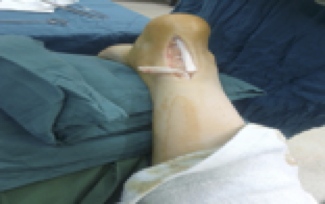
Tendon rupture occurs in 0.14-0.44% of patients prescribed fluoroquinolones, and most commonly occurs in the achilles tendon, although it can occur in virtually any tendon. Tendon rupture is often diagnosed via ultrasound and MRI. The average time of onset is approximately 2 weeks from initial dose of fluoroquinolone. Patients will typically present with the following signs/symptoms in any of their tendons: pain and swelling, hearing or feeling a snap or pop, bruising right after injury and inability to move affected area or bear weight. It’s important to inform patients to not exercise and seek medical help right away if these signs or symptoms occur. The most common risk factors for tendon rupture, are patients with renal dysfunction, advanced age, concomitant corticosteroid use, and history of solid organ transplant. Others include: Diabetes Mellitus, prior musculoskeletal injury, sporting activity and gout. When using fluoroquinolones for uncomplicated bacterial infections (i.e. UTI, COP exacerbations, sinusitis), the FDA has determined that there are serious risks outweighing the benefits. For more serious bacterial infections (i.e.anthrax, plague, bacterial pneumonia) the benefits outweigh the risks and should remain a possible option for those patients considered low risk.

References:
1. US Dept of Health and Human Services. FDA Drug Safety Communication. FDA updates warnings for oral and injectable fluoroquinolone antibiotics due to disabling side effects. Food and Drug Administration. Updated Sept 2016. Accessed Mar 1 2017. Available at: http://www.fda.gov/Drugs/DrugSafety/ucm511530.htm

2. Lang, T, Cook, J, et al. What tendon pathology is seen on imaging in people who have taken fluoroquinolones? A systematic review. Fundam clin Pharmacol. 2017, Feb; 31 (1): 4-16. Doi: 10.1111/fcp.12228.

3. Bidell, M, Lodise, T. Fluoroquinolone- associated tendinopathy: does levofloxacin pose the greatest risk? Pharmacology. 2016. 36 (6) 679-93. Doi: 10.1002/phar.1761. Epub 2016 Jun 11.

4. Levaquin. [package insert]. Titusville, NJ. Janssen Pharmaceuticals, Inc. 2017.